Find the essential.
Start with the idea people need to understand. Give it a clear voice and a point of view.
Design Study 002
Hero Study · Cinematic · Motion
Distinct identities. Thoughtful digital experiences.
A little space to see things differently.
The practice
We start by listening. Then we find the structure, the words and the visual language that make an idea unmistakably its own.
Stillform is an independent creative direction imagined for Design Lab. This study explores the space between an editorial story and an interactive experience.
Our approach
A clear thread from the first question to the final interaction.
Start with the idea people need to understand. Give it a clear voice and a point of view.
Bring type, imagery and interaction into one direction. Every transition should carry the story forward.
Build for real screens, real input and real attention. The final polish belongs in the code.
An imagined design practice with a complete editorial journey. A white opening expands into an alpine landscape, then continues into the practice, a sticky three-part approach and a considered closing invitation.
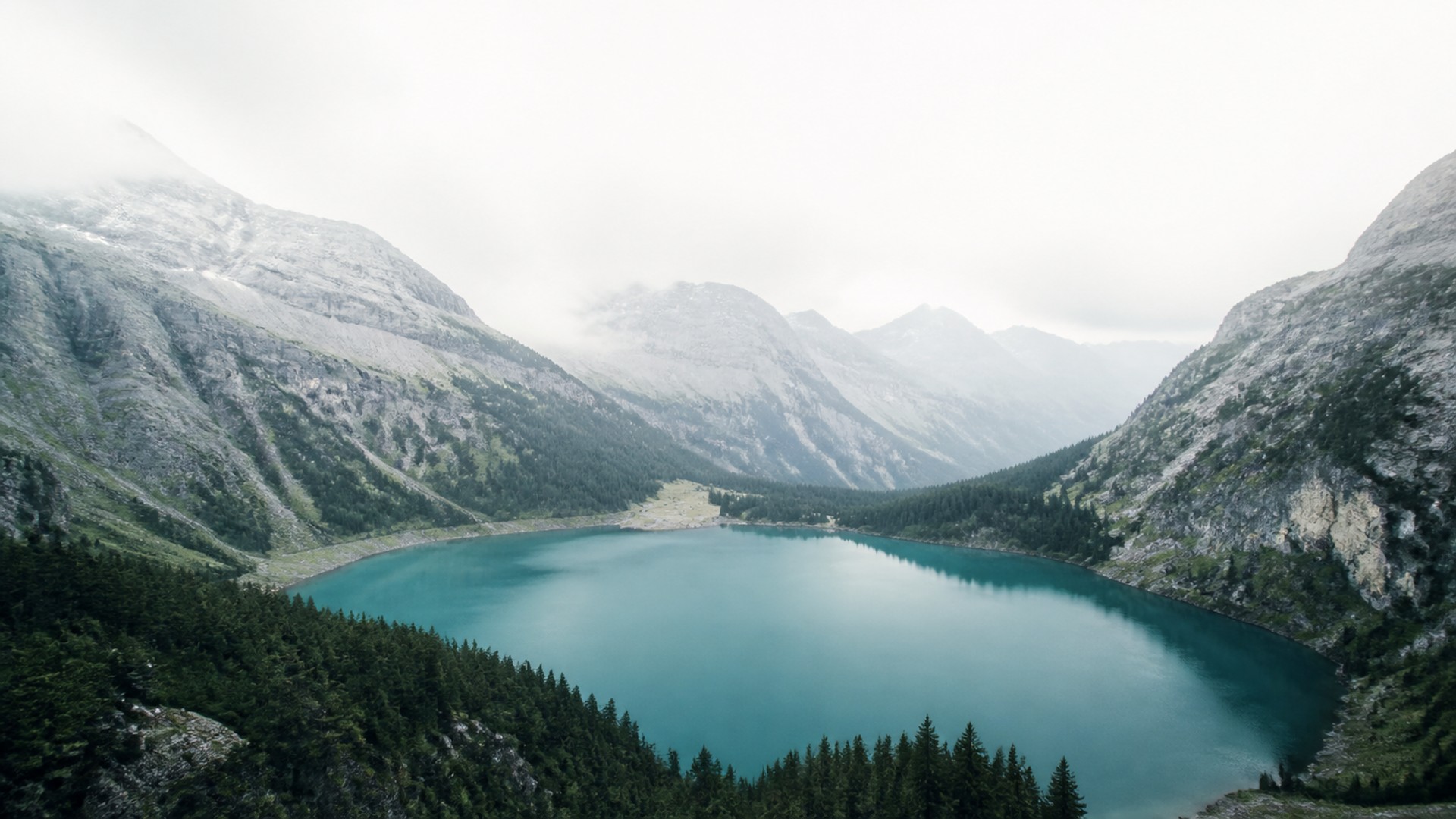
A cool white canvas and forest-green typography frame a cinematic alpine landscape. As you scroll, the headline lifts through masks and the image opens to full bleed. A slow push into the scenery gives way to a rising pale-green panel: a deliberate shift from perspective to practice.
The opening is adapted from the publicly copied Aethera Studio prompt. The three-stage scroll sequence and alpine artwork are original additions by Vertical Labs, not animations supplied in that prompt. This is a design exercise, not a client project. Aethera Studio on MotionSites
Use the creative brief and starting prompt as a foundation for your own exploration.
The finished study brings together art direction, iteration, interaction design, motion and frontend implementation. The prompt is a starting point.
Create a cinematic, editorial digital hero that feels more like a brand world than a conventional software landing page.
Editorial hierarchy. Cinematic imagery. Restrained UI. Strong negative space. Controlled motion. Premium typography. High visual impact.
Generic SaaS composition, AI clichés, overuse of gradients, decorative HUD graphics, excessive copy and unnecessary glassmorphism.
Create Stillform, a fictional design practice, using React and TypeScript. Preserve a restrained white editorial opening with original alpine imagery, then build a complete scroll-driven page.

Use locally hosted Instrument Serif for the logo and headline and Inter for navigation and body copy. Pair deep forest-green text with a cool green-white canvas and a pale-green closing panel. Reserve pill-shaped CTAs for the closing invitation.

Navigation: a clear Stillform wordmark with a small abstract lens symbol, The practice, Our approach, and a Let’s talk action. Controls scroll to real sections within the study. Use generous gutters and a muted green-white canvas with deep forest-green type. Do not use a registered trademark symbol.

Headline: "Room for thought. Form for what’s next." Set thought and what’s next in muted green italic. Use fluid display type capped at 96px desktop and approximately 46px mobile, line-height 1.04, letter-spacing -0.025em.

Description: "Distinct identities. Thoughtful digital experiences. A little space to see things differently." Follow with an understated Find a new perspective action and an arrow. Place a wide, precisely cropped landscape aperture beneath the opening.

Create original cinematic alpine lake artwork, with a pale sky, jade water, pine forests and misty limestone peaks. Render a gentle 12-second camera push-in as a locally hosted, muted, inline background video. Begin with a precisely cropped rectangular aperture in the lower half of the hero; expand all four edges until the scenery fills the stage.

Keep the opening visible immediately. Let scrolling move the headline lines through individual masks in a staggered sequence. Hover interactions use a subtle arrow translation and a drawn navigation underline. Use requestAnimationFrame to fade the video in over the first 0.5s and out over its final 0.5s. On ended, wait 100ms, reset currentTime, then play again.

Add an original three-stage native scroll journey with a scoped GSAP ScrollTrigger timeline and about 0.65 seconds of scrub smoothing. Native sticky positioning holds the scene. Mask each opening line upward, expand the photographic aperture to full bleed, gently advance the landscape, and reveal "A clear idea. An open horizon." with a restrained horizon line. Raise a pale-green panel to resolve into "Make space. Leave an impression." and a Meet the practice CTA. Forward and reverse scrolling must work. Do not hijack wheel or touch input; support fullscreen scrolling and clean up every study-owned animation on unmount.

Continue into a practice section with slow image parallax, a pale-green approach section with a sticky heading and three sequential steps whose rules draw as you scroll, and a deep-green contact closing. Keep section copy visible by default. State that this is a fictional Design Lab practice, not a real client. Use one timeline for hero visuals, not simultaneous smoothing engines.

Add an accessible Pause / Play ambient motion control. Pause when offscreen or the page is hidden. With reduced motion, do not load the video or animate the camera; present all three statements as normal-flow, static sections without a long pinned track. Keep all controls and text as real HTML. Scope styles to the study; bundle fonts and media with the site.
Vertical Labs turns concepts into production-ready digital products.